
Digital Strategy · Advisor Enablement · Design Leadership
~$8M
surfaced in productivity gains –
making digital’s impact visible
~57%
reduction in design delivery cycles
across priority initiatives
15+
Enterprise products on a
unified design system
THE CHALLENGE
Design was a resource, not a partner
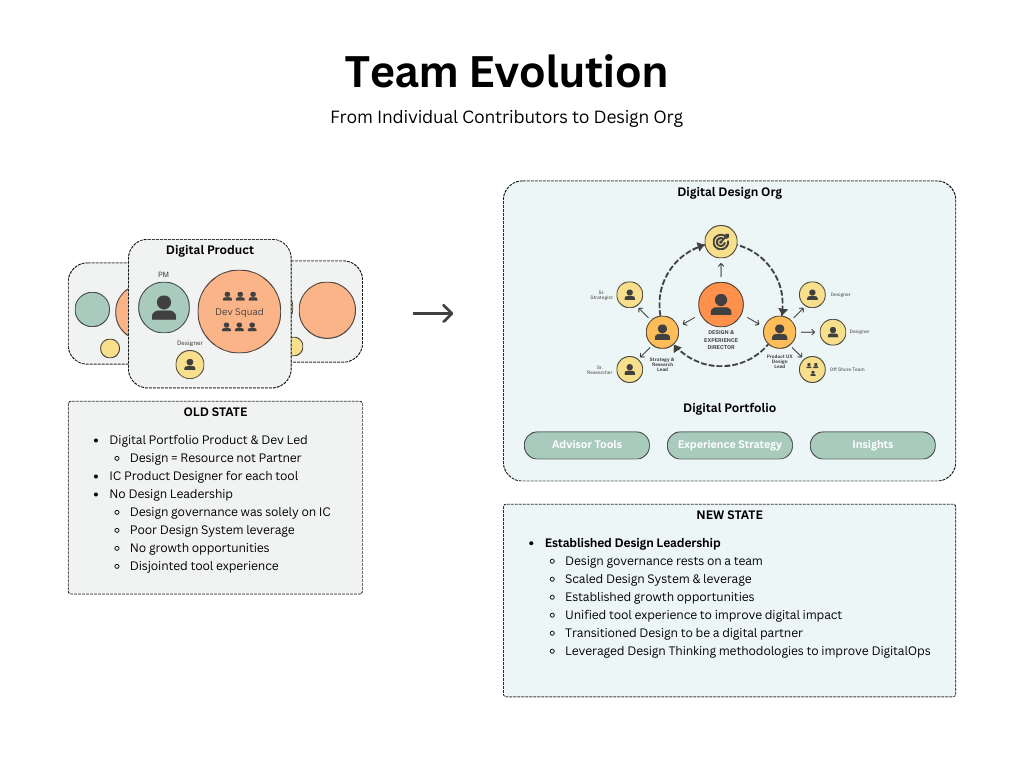
When I joined RBC GAM, design was embedded in product squads with no shared leadership, no common system, and no consistent way of working. Advisors experienced a disconnected experience across a suite of tools. Designers had no growth path. And design had no seat at the strategic table.
The question wasn’t how to make individual tools better — it was how to build the infrastructure for design to operate at scale.
MY APPROACH
Foundations, then velocity
Rather than shipping faster, I focused on what would make shipping sustainably better. Four decisions shaped everything that followed.
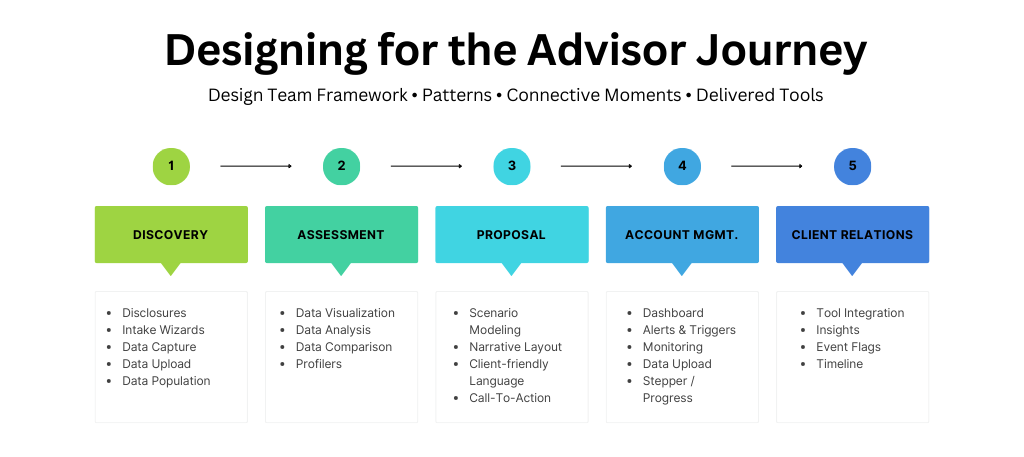
Reframed the Problem from optimizing individual tools to building a shared ecosystem and systems strategy across the full portfolio. Mapping output to this journey turned a fragmented set of tools into a coherent experience.
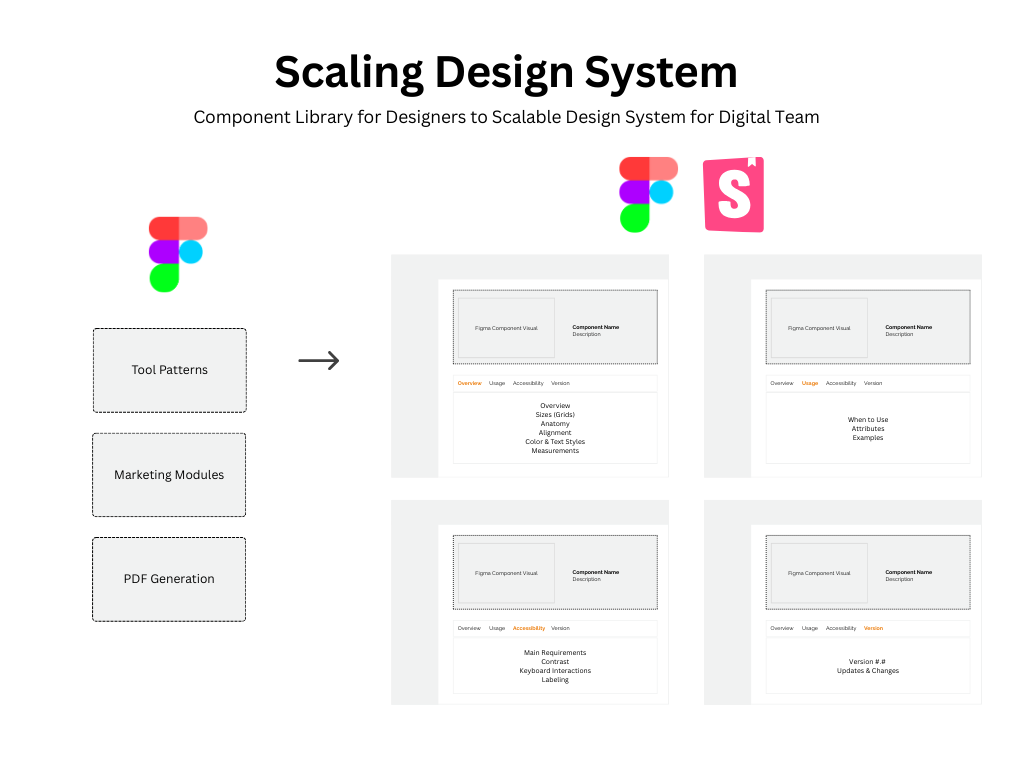
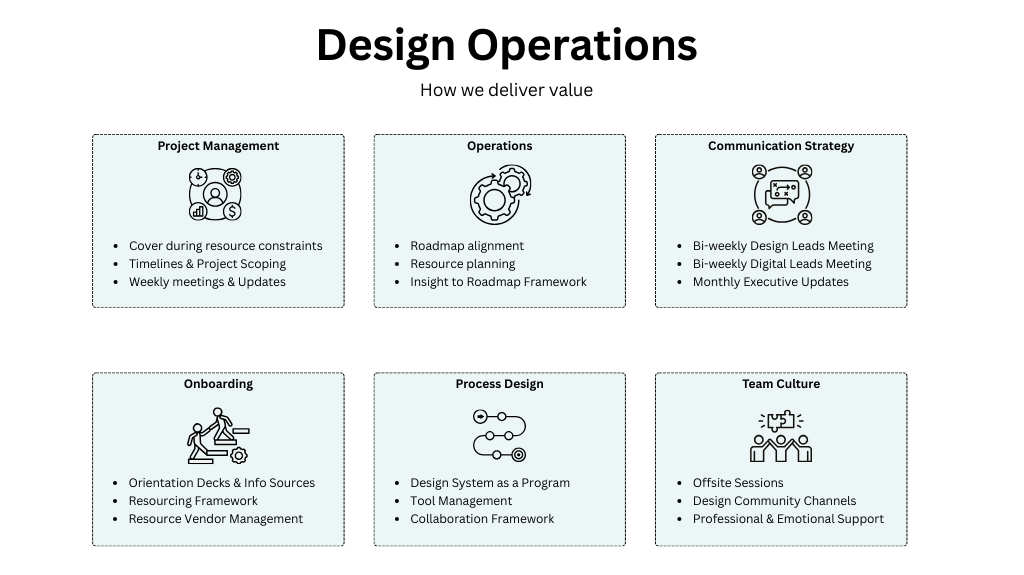
Invested in foundations first – Prioritized developing the design system and design operations before focusing on accelerating feature delivery
Embedded design upstream into product planning so UX decisions aligned with business KPIs, not just delivery milestones
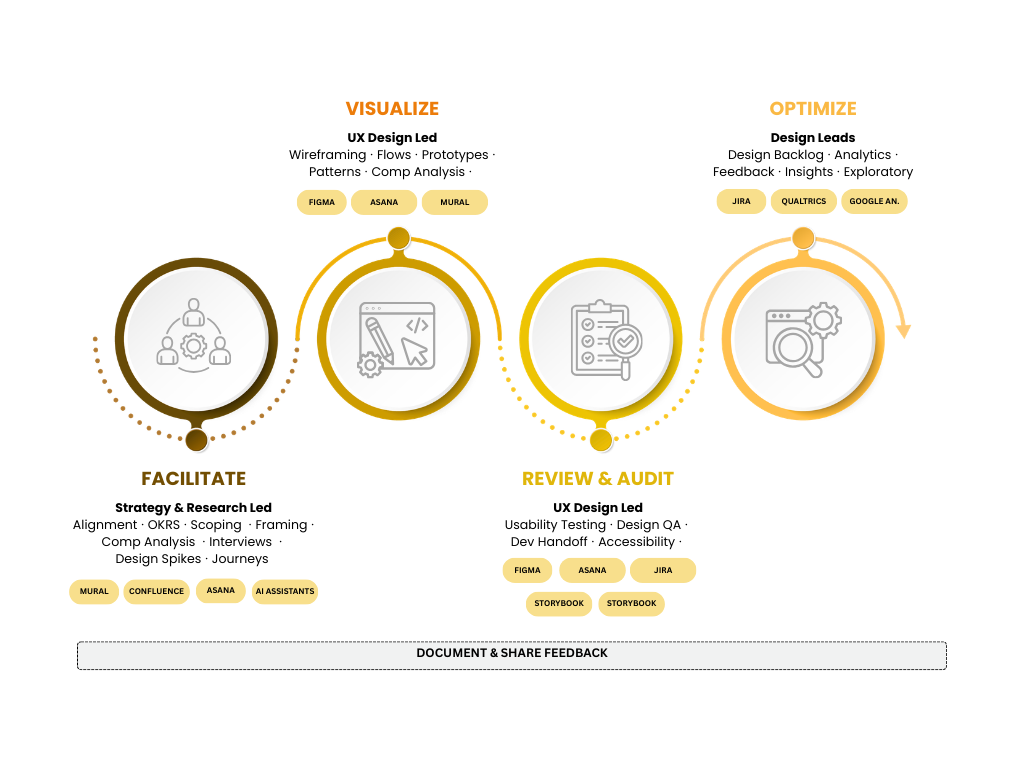
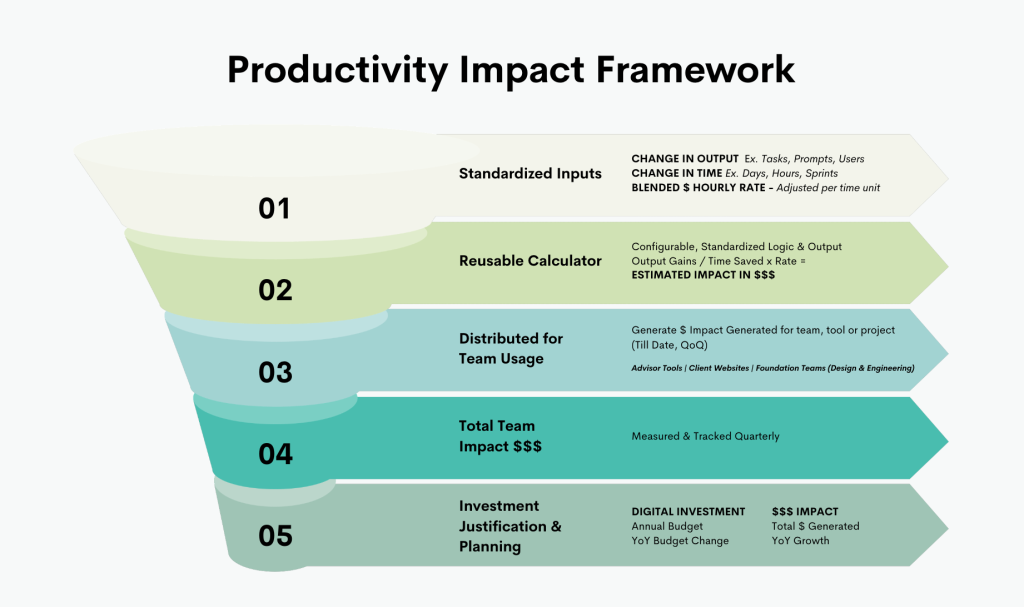
Established outcome-based metrics by using design thinking methodologies to enable the Digital team to surface and measure productivity and efficiency impact
Curated a Productivity Impact Framework to standardize the approach to measuring and aggregating productivity gains across the portfolio, and translate them into the language of business investment.
FROM MOMENTUM TO ALIGNMENT
Building the AI Strategy Foundation
When RBC issued an org-wide mandate to accelerate AI adoption, individual teams moved fast — but in different directions. My role was to help build the strategic foundation that turned that momentum into alignment.
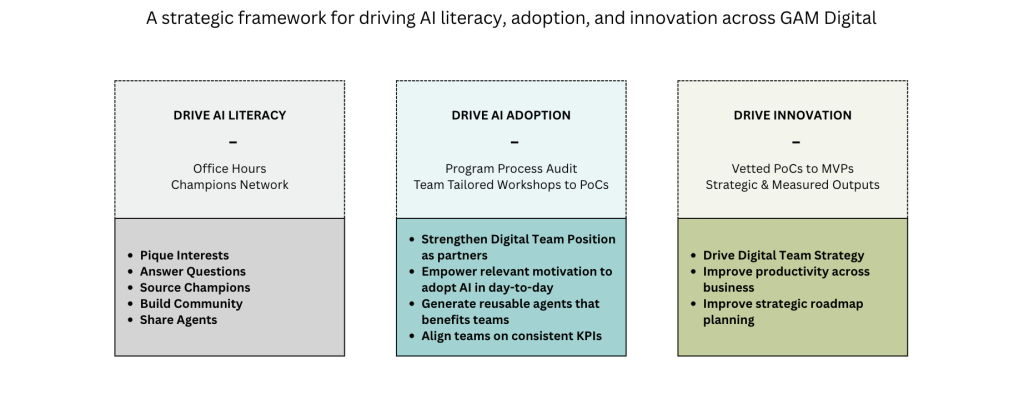
Working with the Head of Digital and VP of Experience, we developed a three-pillar framework to drive AI literacy, adoption, and innovation across GAM. We then stood up a cross-functional group, driven by the digital strategists to execute it.
The result: teams adopted new AI-assisted workflows, reporting aligned to consistent KPIs, and GAM Digital became a point of alignment for how the broader organization approached AI — rather than one of many teams running independently.
FROM FRAGMENTED TO FOUNDATIONAL
What it unlocked
User Impact
Reduced friction across core advisor journeys. Improved usability and confidence across key tools, tracked through satisfaction scores and task completion metrics.
Organizational Impact
Design elevated from a delivery function to a recognized strategic partner, with representation at the executive level and a seat in roadmap planning.
The design system, operating model, and outcome-driven approach became lasting infrastructure for GAM Digital — supporting consistent delivery, regulatory readiness, and cross-team alignment as the organization continues to scale.